Brezza Petrol vs CNG: How Many Kilometres Before the Extra Cost Pays Back?

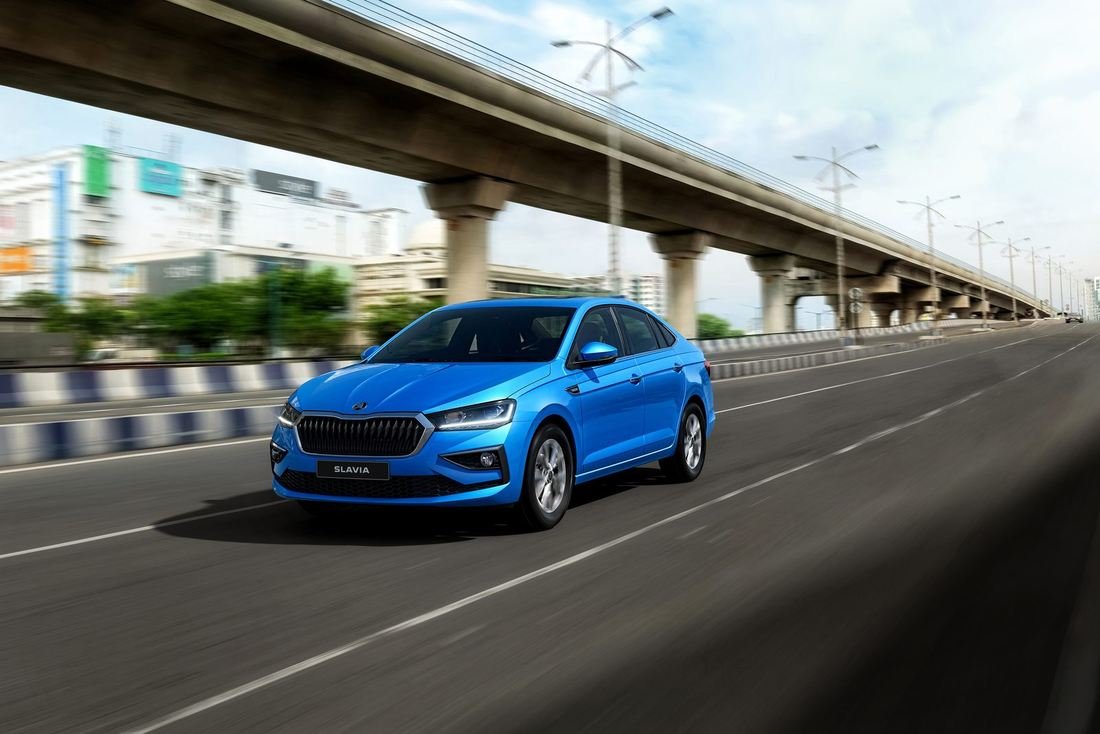
Image: existing FlamingPiston Brezza artwork.
The right question is not whether CNG costs less per kilometre. It is whether you will drive enough kilometres to recover the extra purchase cost while you still own the car. For a Brezza used mainly for short weekend trips, that answer can look very different from a daily commuter’s.
Start with Your Own Quotation
Compare equivalent petrol and CNG trims, calculate the actual upfront difference, then divide it by the fuel saving per kilometre. Do not compare the cheapest petrol version with a better-equipped CNG version and call the entire gap a fuel-system premium.
Three Inputs, One Calculation
You need the local petrol price per litre, the CNG price per kilogram and a realistic efficiency assumption for each. Fuel cost per kilometre is fuel price divided by efficiency. Break-even distance is the additional upfront cost divided by the per-kilometre saving.
Use comparable mileage evidence. A petrol figure measured in dense traffic and a laboratory CNG claim do not form a fair pair. Our Brezza mileage guide explains the distinction between claimed figures and individual owner reports.
A Transparent Example
The following is a planning example, not a current fuel-price quotation or a measured Brezza test. Assume petrol costs ₹95/litre and returns 14 km/l; CNG costs ₹80/kg and returns 22 km/kg. Assume your equivalent CNG car costs ₹1,00,000 more upfront.
| Calculation | Result |
|---|---|
| Petrol: ₹95 ÷ 14 km/l | ₹6.79 per km |
| CNG: ₹80 ÷ 22 km/kg | ₹3.64 per km |
| Fuel saving | About ₹3.15 per km |
| ₹1,00,000 ÷ unrounded saving | About 31,753 km to recover the premium |
| Monthly distance | Monthly fuel saving | Approximate payback |
|---|---|---|
| 600 km | ₹1,890 | 53 months |
| 1,200 km | ₹3,779 | 26.5 months |
| 2,000 km | ₹6,299 | 15.9 months |
The calculations use unrounded per-kilometre figures. They exclude financing, maintenance differences, any petrol used by the CNG car, resale value and the time or extra driving involved in refuelling. They are fuel-only payback estimates, not a full ownership-cost forecast.
How Sensitive Is the Answer?
Keep the same ₹1 lakh premium, but change the saving to ₹2/km: payback becomes 50,000 km. At ₹4/km, it falls to 25,000 km. That is why a universal “buy CNG above X kilometres a month” rule is weak advice unless it also states prices, efficiency and ownership period.
If you expect to keep the car for three years and drive 600 km monthly, you would cover 21,600 km. In our main example, that is below the fuel-only break-even distance. At 1,200 km monthly, three-year usage reaches 43,200 km, above it. Your own assumptions may change either conclusion.
The New Tank Layout Does Not Remove Every Trade-off
Maruti identifies the current Brezza’s S-CNG system as underbody-mounted. [1] That makes the packaging relevant to a family buyer, but inspect the actual boot, emergency tyre equipment and the car’s specification. Our boot-space guide also distinguishes the facelift from older CNG cars.
Finally, check the stations you would genuinely use. A pump on your normal route is different from a detour each week. Choose CNG when the cost case and the routine both work; petrol can remain the simpler choice when annual usage is low or access is inconvenient.
FAQs
At what monthly running does Brezza CNG make sense?
There is no universal threshold. Calculate the upfront premium, fuel saving per kilometre and the kilometres you expect to drive before selling.
Are these current petrol and CNG prices?
No. ₹95/litre and ₹80/kg are explicit illustrative assumptions. Replace them with local prices.
Does break-even include every ownership expense?
No. The worked example is fuel-only and excludes finance, maintenance differences, petrol used by the CNG vehicle, resale and refuelling time.
Sources and Method
Checked on 16 October 2026. This is sourced editorial analysis, not a FlamingPiston road test. Manufacturer claims and illustrative calculations are identified in the text.